The pack in the Coles fridge says seafood sticks. The sushi train calls that orange-and-white strip crab, the Japanese menu says kani, and the salad recipe says imitation crab. You've probably wondered whether they're all the same thing, what's actually in them, and whether you're meant to cook them.
They're one food: kanikama (カニカマ), a Japanese fish cake made from white fish and shaped to look and tear like crab leg. The name joins kani (crab) and kamaboko (fish cake). Find the one you met below. And if you'd like the Japanese kind, where to buy seafood sticks in Australia names the supermarkets and Japanese grocers that carry it.
Quick answer
- What they areKanikama: white fish paste, mostly Alaska pollock, shaped and coloured like crab leg. It's cooked before it's packed, so you eat it straight from the pack.
- Crab or notLittle or no crab meat, but often crab flavouring or crab extract. The Ocean Blue sticks and Woolworths' own surimi both list crustacean among their allergens.
- Getting it hereColes and Woolworths sell Ocean Blue Surimi Sea Sticks in the chilled section. Japanese grocers such as Ichiba Junction carry Japanese kanikama, including Hobo Kani (almost crab) from Kanetetsu, a fish-cake maker in Kobe. Where to buy
Which one did you meet?
Kanikama turns up as sticks, as shreds and as whole pretend crab legs, and it hides inside plenty of dishes. Start with the one you saw.
-

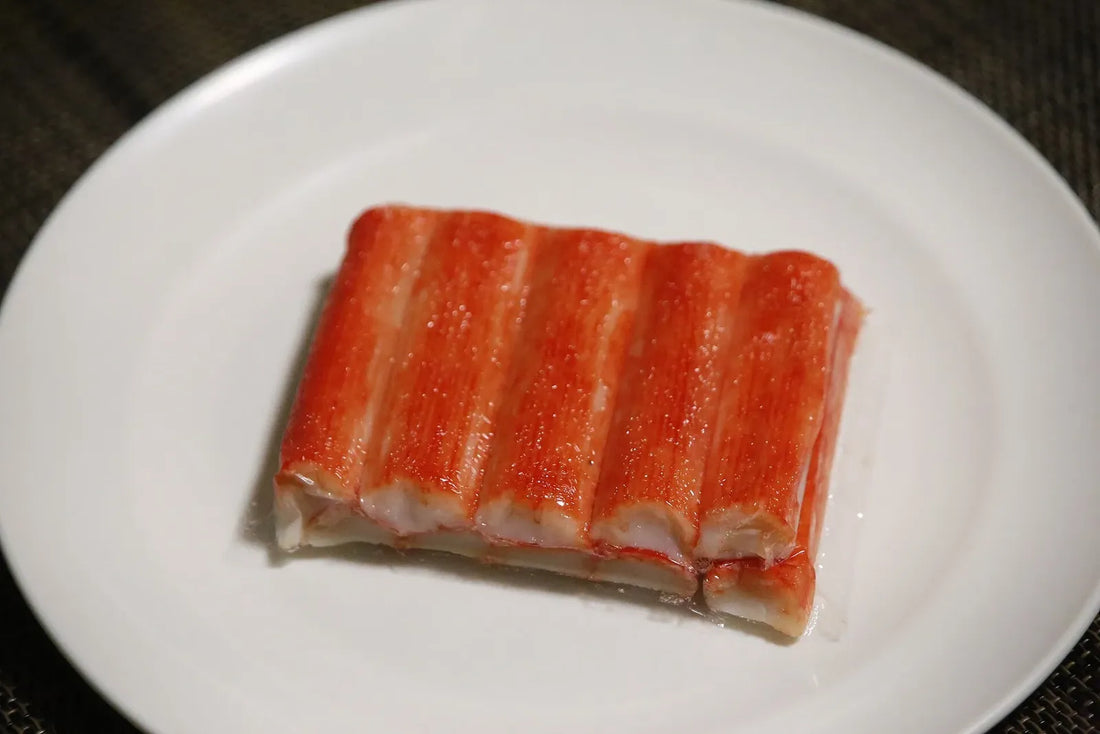
Seafood sticks (カニカマ, kanikama: crab fish cake)
Finger-length sticks, red-orange outside and white inside
also sold as crab sticks or imitation crab
-

Shredded kanikama (ほぐし, hogushi: pulled apart)
Fine white-and-orange shreds, often through a salad or a sushi roll
pull a stick apart and you get these
-

Crab-leg style (脚肉風, ashiniku-fū: leg-meat style)
Long, streaked pieces shaped like peeled crab leg meat
Japan's premium packs, shaped to pass for the real thing
-

Konbini kanikama (コンビニ, konbini: convenience store)
Small sealed packs of sticks from a Japanese convenience-store shelf
our konbini guide covers the rest of the shelf
-

Kanikama nigiri (握り, nigiri: hand-pressed sushi)
An orange stick laid on rice, held on with a band of seaweed
a conveyor-belt sushi regular
-

Kanikama potato salad
Pink threads mixed through a creamy potato salad
-

Kanikama tempura (天ぷら, tempura: battered and fried)
A golden battered stick, often beside a bowl of udon (thick wheat noodles)
on the tray at Marugame Seimen, a Japanese udon chain
What are seafood sticks made of?
Seafood sticks start as fish, not crab. The fish is mostly Alaska pollock, a white fish from the North Pacific, minced and washed into a smooth paste called surimi (すり身, literally ground meat).
To make the stick, the paste gets salt, starch, egg white and a flavouring. It's spread into thin sheets, cut into fine strands, bundled, coloured red on the outside and rolled up. That's why it tears into strings the way crab leg does. The red is a food colouring, such as paprika or tomato.
Then it's sealed and heated, so it's already cooked when you buy it. You can eat it cold, straight from the pack, or warm it through in a dish. It tastes mild and lightly fishy, with a crab-like flavour on top.
Is kanikama actually Japanese?
Yes, and in Japan it belongs to the fish cake family rather than standing in for crab. Its closest relative is kamaboko, the Japanese fish cake you may have had sliced into a noodle soup.
Under Tokyo's food-labelling rules, kanikama is a kind of kamaboko: fish shaped, flavoured and textured to resemble crab, then sealed and heat-sterilised. Source: Tokyo Metropolitan Government, kamaboko labelling rules
It's also fairly new. Sugiyo, a fish-cake maker in Nanao on Japan's Sea of Japan coast, launched the first crab-flavoured kamaboko in 1972, as chopped flakes. Osaki Suisan, a fish-cake maker in Hiroshima, brought out the first stick in 1974, the shape you'll find in most packs today.
As it travelled, it picked up a new name in each market. France calls it surimi, the US calls it imitation crab, and Australian supermarkets call it seafood sticks, which is why you'll meet four names on four labels for one food.
How does Japan eat kanikama?
In Japan, kanikama is an everyday food, so you'd find it in Japanese food shops and on the belt at conveyor-belt sushi restaurants.
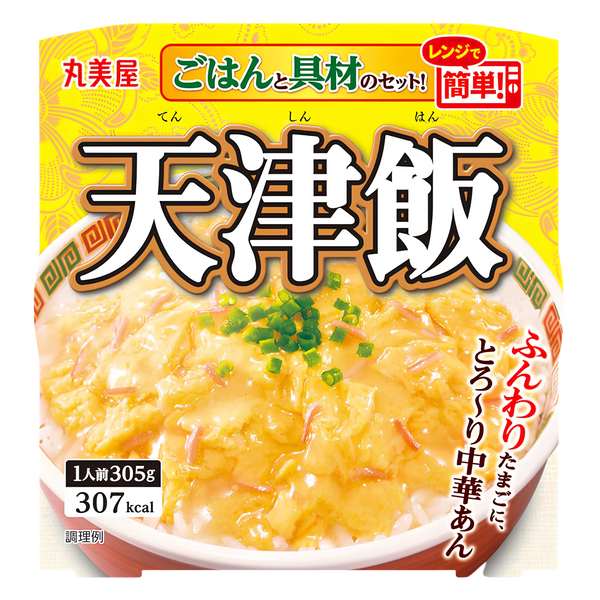
Shredded, it goes into salads and fried rice. It's the crab in tenshinhan (天津飯, a crab omelette over rice under a thick savoury sauce). And in Cup Noodle Seafood, from Nissin, the company behind Cup Noodles, little pieces of it sit alongside the squid and egg.
Marugame Seimen fries it as tempura to go with udon, and convenience stores such as Lawson sell their own small packs of it.
Japan has also made a premium kind that's shaped and streaked like a peeled crab leg. Sugiyo's Kaoribako (fragrance box) arrived in 2004, and Kanetetsu's Hobo Kani, which means almost crab, followed in 2014. These get eaten the way crab is: Hobo Kani comes with a little sachet of crab vinegar (kani-zu) for dipping, and its pack suggests warming it first.
Does imitation crab have crab in it?
Imitation crab sounds like a promise that there's no crab inside. It usually has little or no crab meat. But many packs carry crab in another form, as a flavouring or an extract, and the allergen statement is where that shows.
Ocean Blue Surimi Sea Sticks, the pack both Coles and Woolworths sell, list crab (crustacean) flavouring in the ingredients and crustacean in their allergen statement. Woolworths' own frozen Surimi Mix lists crab extract. Most Japanese kanikama contain crab or prawn extract too, which is why Kanetetsu launched a version without either in 2023.
| Ocean Blue Sea Sticks | Woolworths Surimi Mix | Sugiyo Kaoribako | |
|---|---|---|---|
| The fish | Surimi, 43% | Basa, 37% | Imported fish |
| The crab | Crab flavouring | Crab extract | Crab extract |
| Allergens listed | Crustacean, egg, fish | Crustacean, fish, gluten, wheat | Crab, prawn, wheat, egg, soy, chicken, pork |
So if you're checking for crab, the word imitation isn't the answer. The allergen statement on the pack is, and it changes from one brand to the next, gluten included.
Where to buy seafood sticks in Australia
Everything below was checked in October 2026. Prices are a rough guide, not a quote.
- On the shelf: Coles sells Ocean Blue Surimi Sea Sticks in its chilled seafood range, a small pack for around $5 to $6.
- On the shelf: Woolworths has the same Ocean Blue sticks chilled, plus its own frozen Surimi Mix in a large bag.
- On the shelf: Ichiba Junction, a Japanese grocer in Sydney, Melbourne and Brisbane, sells Kanetetsu's Hobo Kani online, and long salad sticks for pick-up.
- On the shelf: Jun Direct, the online shop of the Japanese importer Jun Pacific, sells its own Jun Seafood Sticks.
- On the shelf: Umall, an online Asian grocer, carries frozen crab sticks from several brands.
If you'd like to browse a Japanese grocer in person, Japanese grocery stores in Sydney, and which one to go to walks through them.
Two things in our range have kanikama in them: Marumiya's tenshinhan rice bowl, the crab omelette over rice, and Nissin Cup Noodle Seafood BIG. Found Japanese kanikama somewhere else in Australia? Tell us where and we'll add it.
Common questions
What are seafood sticks made of?
Seafood sticks are made mostly of white fish, usually Alaska pollock, minced into a paste called surimi and mixed with starch, egg white, salt and a crab flavouring. The paste is cut into strands, bundled, coloured red on the outside and cooked. Many packs also contain a little crab extract.
Can you eat seafood sticks raw?
You can eat seafood sticks straight from the pack, because they aren't raw: they're heated and sealed before they're sold, so there's no cooking to do. Tokyo's labelling rules for kanikama require that heating step. They also go into hot dishes such as fried rice, tempura or an omelette.
Is imitation crab real crab?
Imitation crab isn't crab meat. It's fish paste shaped and flavoured to taste like crab. But it isn't always crab-free: many packs use crab flavouring or crab extract, and both Ocean Blue's sticks and Woolworths' own surimi list crustacean among their allergens. A small number of Japanese brands even contain real crab meat.
What is the difference between surimi and kanikama?
Surimi is the ingredient, and kanikama is one thing made from it. Surimi is washed, minced white fish paste; kanikama is surimi shaped, flavoured and coloured to look like crab leg. Outside Japan the names blur, so French shops sell kanikama as surimi, and Ocean Blue calls its sticks surimi too.
What is kanikama in sushi?
In sushi, kanikama is the orange-and-white stick of crab-flavoured fish cake, laid on rice as nigiri or rolled inside a sushi roll. It's a standard at Japanese conveyor-belt sushi restaurants. Kani on its own is simply the Japanese word for crab, so a menu's kani can mean either the real thing or kanikama.
Fancy the crab omelette version? Browse our Japanese donburi rice bowls, or if you're new to Japanese food, start here.
Sources
- Tokyo Metropolitan Government — かまぼこ類品質表示基準実施要領 (kamaboko labelling rules)
- Sugiyo — company history (かにあし, kani-ashi: crab legs, 1972)
- Wikipedia (Japanese) — カニカマ
- Sugiyo — Kaoribako (香り箱, fragrance box) ingredients and allergens
- Kobe Shimbun — Kanetetsu's crab-free kanikama (2023)
- Money Post — how Hobo Kani was made (2022)
- Woolworths — Ocean Blue Surimi Sea Sticks 150g, ingredients and allergens
Photographs — all from Wikimedia Commons, used under the licences shown: Top photograph by 円周率3パーセント (CC BY-SA 4.0); Seafood sticks by Natto at Japanese Wikipedia (CC BY-SA 3.0); Shredded kanikama by Frrrrred (CC BY-SA 3.0); Crab-leg style by STRONGlk7 (CC BY-SA 3.0); Konbini kanikama by Tatsuo Yamashita (CC BY 2.0); Kanikama nigiri by HanSangYoon (CC BY-SA 4.0); Kanikama potato salad by 経済特区 (CC BY-SA 4.0); Kanikama tempura by 経済特区 (CC BY-SA 4.0). Photographs resized and converted for the web.